
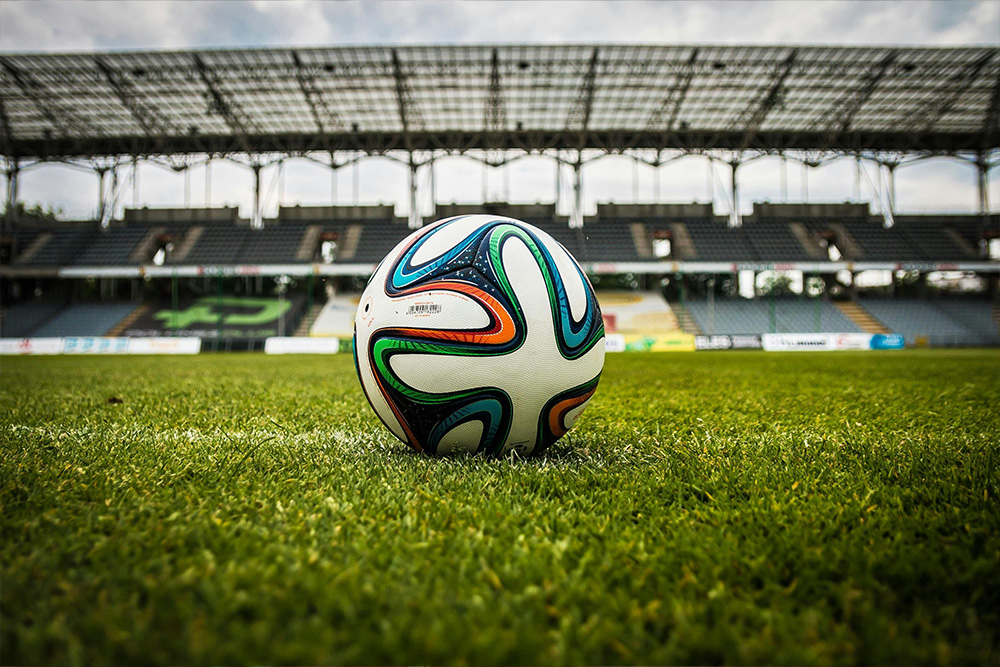
World Cup 2026 odds explained in simple terms: odds are more than numbers beside a team name. They show how the market views a match, how likely an outcome may be, and how different football markets are priced before and during a game.
Disclaimer: This article is written for informational and educational purposes only. It is not financial advice, not a guarantee of match results, and not an encouragement to bet. Users should always check official terms, platform rules, local regulations, team news and odds updates before making any decision.
For the FIFA World Cup 2026, understanding odds will be especially useful because the tournament is bigger than before. The competition will feature 48 teams, hosted across Canada, Mexico, and the United States. That means more matches, more group-stage situations, more team futures, and more chances for odds to move as the tournament develops.
This guide is written for football fans who want to understand World Cup 2026 odds without getting lost in complicated terms. We will cover match odds, Asian Handicap, Over/Under goals, team futures, group-stage markets, player markets, live odds, and the key things to check before comparing prices on platforms such as FUN88.
Quick Answer: What Do World Cup 2026 Odds Mean?
World Cup 2026 odds show how the market prices a football outcome. The most common markets include match winner, Asian Handicap, Over/Under goals, both teams to score, correct score, team futures, group-stage qualification, player markets, and live odds. The best market depends on what you understand best: the match result, the playing style, the tournament path, or the live match situation.
Why World Cup 2026 Odds Will Be Different
The 2026 World Cup will be the first edition with 48 teams. FIFA has confirmed that the tournament will include 12 groups of four teams. The top two teams from each group, plus the eight best third-placed teams, will move into the Round of 32.
This matters because the group stage will have more possible scenarios than before. Some teams may not need to win every match to qualify. A draw may be enough in certain situations. Goal difference, third-place ranking, squad rotation, travel, and match location can all affect how teams approach each game.
That is why World Cup odds should not be read in isolation. A price may look attractive at first glance, but the better question is: what is the match context? Is the team motivated to attack? Does the team only need one point? Is the coach likely to rotate players? Are there travel or recovery concerns?
For official tournament details, readers can check the FIFA World Cup 2026 pages here: FIFA World Cup 2026 official tournament page.
1. Match Winner Odds: The Easiest Starting Point
The match winner market is usually the first market most people understand. In football, it is often shown as 1X2:
- 1 means the first-listed team wins.
- X means the match ends in a draw.
- 2 means the second-listed team wins.
This market is simple, but simple does not always mean easy. A stronger team can dominate possession and still draw. A smaller team can defend deep and limit chances. In the group stage, some teams may accept a draw if it helps their qualification path.
Match winner odds are useful when you have a clear view of the result. But if the favourite is priced very low, some users may prefer to compare other football markets such as Asian Handicap, team goals, or Over/Under goals.
2. Asian Handicap: Useful When Team Strength Is Uneven
Asian Handicap is one of the most important football markets for Asian users. Instead of only asking which team will win, this market gives one side a virtual advantage or disadvantage before the match starts.
For example, if a favourite is listed at -1.0, that team usually needs to win by more than one goal for the selection to fully succeed. If the team wins by exactly one goal, the result may be returned depending on the exact line. If an underdog is listed at +1.0, that team can lose by one goal and may still avoid a full losing result, depending on the market rules.
Asian Handicap is useful when one team is clearly stronger but the normal match winner odds feel too low. It is also useful when an underdog may not win the match but could keep the score close.
During World Cup 2026, Asian Handicap may become important in matches where a top-ranked team faces a smaller nation, or when a team needs to win by a certain margin to improve goal difference. Always check whether the line is a half-goal, full-goal, or quarter-goal handicap because each one works differently.
3. Over/Under Goals: Reading Match Style, Not Just the Winner
The Over/Under market focuses on the total number of goals in a match. You do not need to choose the winner. Instead, you decide whether the final total will be above or below a set number.
Common examples include:
- Over 2.5 goals means the match needs at least 3 goals.
- Under 2.5 goals means the match must finish with 0, 1, or 2 goals.
- Over 1.5 goals means the match needs at least 2 goals.
- Under 3.5 goals means the match must finish with 3 goals or fewer.
This market is useful when you have a view on the style of the game. Two attacking teams may create an open match. Two cautious teams may keep the game tight. A knockout match may start slowly because both sides want to avoid early mistakes.
For World Cup 2026, Over/Under markets may be especially interesting in final group matches and knockout games. The match situation can change quickly after the first goal. A team that falls behind may need to attack more, while the leading team may slow the tempo and protect the result.
4. Both Teams to Score: Simple, But Not Always Safe
Both Teams to Score, often shortened to BTTS, asks whether both teams will score at least one goal. It is easy to understand, but it should still be read with match context.
A game can look balanced and still finish 1-0. A team can create chances but fail to score. A favourite can control the match without allowing many chances. An underdog can spend most of the game defending and only attack late.
BTTS can make sense when both teams need a result, especially in group-stage matches where both sides must push forward. It can be less suitable when one team only needs a draw or when one side is expected to defend very deep.
5. Correct Score: More Specific, More Difficult
Correct score is a very specific market. Instead of choosing the winner or total goals, you choose the exact final score.
For example, if you choose 2-1, the match must finish exactly 2-1. A 1-0, 2-0, 1-1, or 3-1 result would not match that selection.
This market can look attractive because the displayed price is often higher than simple match markets. But it is also harder to read because one late goal, red card, substitution, or stoppage-time moment can change everything.
Correct score is better suited for users who already understand match tempo, team quality, tactical style, and likely game state. It should not be used only because the number looks appealing.
6. Team Futures: Understanding the Tournament Path
Team futures are markets that are decided later in the tournament, not from one match only. These can include:
- World Cup winner
- Team to reach the final
- Team to reach the semi-finals
- Group winner
- Team to qualify from the group
- Top team from a region
Team futures are useful for fans who follow the bigger picture. Instead of judging one game, you are looking at squad depth, group difficulty, possible knockout path, injuries, travel, rotation, and tournament experience.
For World Cup 2026, team futures may need more careful reading because of the expanded format. The Round of 32 adds another knockout stage, which means the eventual finalists will need to survive more matches than in previous formats.
A team may look strong on paper, but its path can become difficult depending on group position and possible knockout opponents. That is why futures markets should be checked together with the official schedule, group draw, and team news.
7. Group Stage Markets: More Important Than Many Fans Think
Group-stage markets are often underrated. Many fans focus on the trophy winner, but group markets can reveal useful tournament logic.
Common group-stage markets include:
- Group winner
- Team to qualify
- Exact group order
- Team points total
- Team goals in the group stage
Because the 2026 format allows the best third-placed teams to progress, some group-stage matches may have different incentives. A team may protect goal difference. Another team may accept a draw. A favourite that has already qualified may rotate players in the third match.
This is why group-stage odds should be read with the table, schedule, and motivation in mind. The same team can have a different level of urgency depending on the matchday.
8. Player Markets: Useful, But Check Team News First
Player markets can include goalscorer, assists, shots, cards, and other player-related lines. These markets are popular because they connect directly with star players and match previews.
However, player markets depend heavily on team news. A player may not start. A forward may be moved to a wider role. A midfielder may play deeper for the national team than for his club. A team that has already qualified may rest key players.
For this reason, player markets are usually better after checking confirmed lineups, injury updates, and tactical context. During the World Cup, managers may rotate more than expected because of travel, recovery, and short gaps between matches.
9. Live Odds: Useful, But Needs Discipline
Live odds move while the match is happening. They can change because of the score, time remaining, pressure, substitutions, cards, injuries, and momentum.
Live odds can be useful because they show how the match is developing in real time. A favourite may start slowly but still control the game. An underdog may lead early but look tired. A match may be low-scoring but full of chances.
However, live odds can also encourage emotional decisions. A missed chance, a goal, or a controversial decision can make users react too quickly. A safer approach is to set clear limits before the match starts and avoid making emotional decisions during the game.
10. How to Compare World Cup 2026 Odds Properly
Comparing odds is not only about choosing the highest number. A better approach is to compare the market, the rule, the timing, and the context.
Before comparing any football market, check these points:
- Is the market based on 90 minutes only, or does it include extra time?
- Does the Asian Handicap line include push protection?
- Are player markets void if the player does not start?
- Does a promotion apply to all markets or only selected markets?
- Are there minimum odds requirements?
- Are there turnover conditions linked to any bonus?
- Is the displayed price still available, or has it already moved?
This is where a clearer platform experience can help. For users comparing World Cup markets on FUN88, the value is not only in seeing the odds, but in understanding the market rules, match context, and promotion terms before making any choice.
11. Where FUN88 Fits Into the World Cup Odds Journey
FUN88 should not be viewed as a shortcut to results. A safer and more practical way to see it is as a platform where users may compare football markets, read odds, check match prices, and review promotional terms during the World Cup period.
For users who mainly follow football, the most relevant markets are usually match winner, Asian Handicap, Over/Under, selected team futures, and live odds. These markets connect naturally with match previews, team news, and tournament context.
FUN88 may feel suitable for users who want a football-focused experience without getting lost in too many niche options. That does not mean every price will always be better. It means the overall journey may feel easier for users who want to understand the logic before comparing markets.
12. Practical Example: Reading a Match Market
Imagine a World Cup group-stage match where a favourite faces a disciplined underdog. The favourite has stronger players, but the underdog is known for defending deep and keeping matches close.
A beginner may look only at the match winner odds and choose the favourite. A more careful user may compare several markets:
- Match Winner: Is the favourite price too low?
- Asian Handicap: Does the favourite need to win by two goals?
- Over/Under: Could the underdog slow the game down?
- Team Goals: Is the favourite likely to score more than once?
- Live Odds: Is it better to watch the first 10 to 15 minutes before judging the tempo?
This is the difference between reading odds and simply reacting to odds. World Cup markets become easier to understand when the numbers are connected to match context.
13. Practical Example: Reading a Team Future
Now imagine a strong national team listed among the favourites to win the tournament. The squad looks powerful, the team has star players, and public attention is high. But futures markets need a wider view.
Before comparing a team future, ask:
- Is the squad deep enough across defence, midfield, and attack?
- Is the team likely to rotate during the group stage?
- Could travel distance or climate affect recovery?
- Is the possible knockout path difficult?
- Does the team rely too heavily on one player?
- How does the team usually perform under tournament pressure?
A World Cup winner market is not only about the best team on paper. It is about surviving the group stage, handling pressure, avoiding key injuries, adapting to different opponents, and managing several high-pressure matches.
14. Key World Cup 2026 Markets by User Type
| User Type | Markets to Understand First | Why It Helps |
|---|---|---|
| Beginner | Match Winner, Over/Under, Both Teams to Score | These markets are easier to connect with basic match previews. |
| Asian Handicap user | Handicap lines, quarter lines, live handicap | Useful when one team is stronger but the match winner price is low. |
| Tournament follower | Group winner, team to qualify, outright winner | Useful for readers who follow squad depth and tournament path. |
| Stats-focused reader | Team goals, corners, cards, player shots | Useful when supported by lineup news and tactical context. |
| Live match watcher | Live Over/Under, next goal, live handicap | Works best when the user understands match momentum and tempo. |
15. Common Mistakes When Reading World Cup Odds
Many users make similar mistakes during major tournaments, especially when matches come quickly and odds move often.
- Only choosing favourites: Strong teams do not always cover handicap lines.
- Ignoring match context: A team that only needs a draw may not attack aggressively.
- Overvaluing big names: Popular teams can attract attention even when the price is not ideal.
- Skipping promotion terms: Some bonuses may have turnover, minimum odds, or market restrictions.
- Reacting emotionally to live odds: One missed chance does not always mean the match pattern has changed.
- Forgetting market rules: Some markets apply only to 90 minutes, not extra time or penalties.
16. Responsible Use Reminder
World Cup odds can make matches feel more exciting, but odds are not guarantees. They are market prices, not predictions that must happen.
Set a clear budget before using any odds platform. Do not chase losses. Do not use money needed for daily expenses. Avoid making decisions when emotional, tired, or pressured by a match result. If the experience stops feeling like entertainment and starts feeling stressful, take a break.
Conclusion: The Right World Cup 2026 Market Depends on Your Goal
There is no single best World Cup 2026 market for everyone. Match winner is simple. Asian Handicap is useful when team strength is uneven. Over/Under helps when you understand match style. Team futures are better for readers who follow squad depth and tournament paths. Live odds are useful only when handled with discipline.
The smarter approach is to understand what each market is designed for, then compare odds with context. Look at team news, match motivation, group position, travel, rotation, and promotion terms before making any decision.
For users who want a clearer football-focused experience, FUN88 can fit naturally into this journey by making the main football markets easier to follow. The value is not just in seeing odds, but in understanding what those odds mean before the match begins.
FAQ: World Cup 2026 Odds Explained
What do World Cup 2026 odds mean?
World Cup 2026 odds show how the market prices a football outcome. They can apply to a single match, group-stage result, team future, player market, or live match situation.
What is the easiest World Cup odds market for beginners?
Match winner, Over/Under goals, and Both Teams to Score are usually easier for beginners to understand. Asian Handicap is also useful, but users should first learn how different handicap lines work.
What is Asian Handicap in World Cup odds?
Asian Handicap gives one team a virtual advantage or disadvantage before the match starts. It is often used when one team is clearly stronger and the normal match winner price is too low.
Are team futures better than match odds?
Team futures are not better or worse; they are different. They are useful for users who want to compare long-term outcomes such as tournament winner, group winner, or team to reach a certain round.
Should I compare odds before choosing a market?
Yes. Odds can change between platforms and across time. Users should compare market rules, odds movement, promotion terms, and whether the market applies to 90 minutes only or includes extra time.
Can users compare World Cup 2026 odds on FUN88?
FUN88 may display football markets related to World Cup 2026, depending on availability, region, and platform terms. Users should check the latest market list and promotion details directly before making any decision.
Are World Cup odds guaranteed predictions?
No. Odds are not guaranteed predictions. They reflect market pricing, but football results can change because of tactics, injuries, red cards, substitutions, weather, and many other factors.
Last updated: 24 April 2026 | This article is prepared by the editorial team at worldcup2026.center.
Responsible gambling notice: This article is for informational and editorial purposes only. It is not financial advice and does not encourage gambling. Gambling involves risk. Always check local laws, platform terms, market rules, and promotion conditions before using any related service. Only use money you can afford to lose.
